Understanding Gastric Dilatation-Volvulus (Bloat) in Pets
One moment, your dog seems fine, and the next, they’re pacing, drooling, or trying to vomit without success. What might look like simple discomfort could actually be a life-threatening emergency called gastric dilatation-volvulus (GDV), or commonly known as bloat. This condition can progress rapidly, putting your pet’s life in danger within hours. At Rock Creek Veterinary Hospital in Broomfield, CO, our dedicated team provides advanced emergency vet care and pet surgery to treat GDV and give pets the best chance for recovery.
What Is Gastric Dilatation-Volvulus (GDV)?
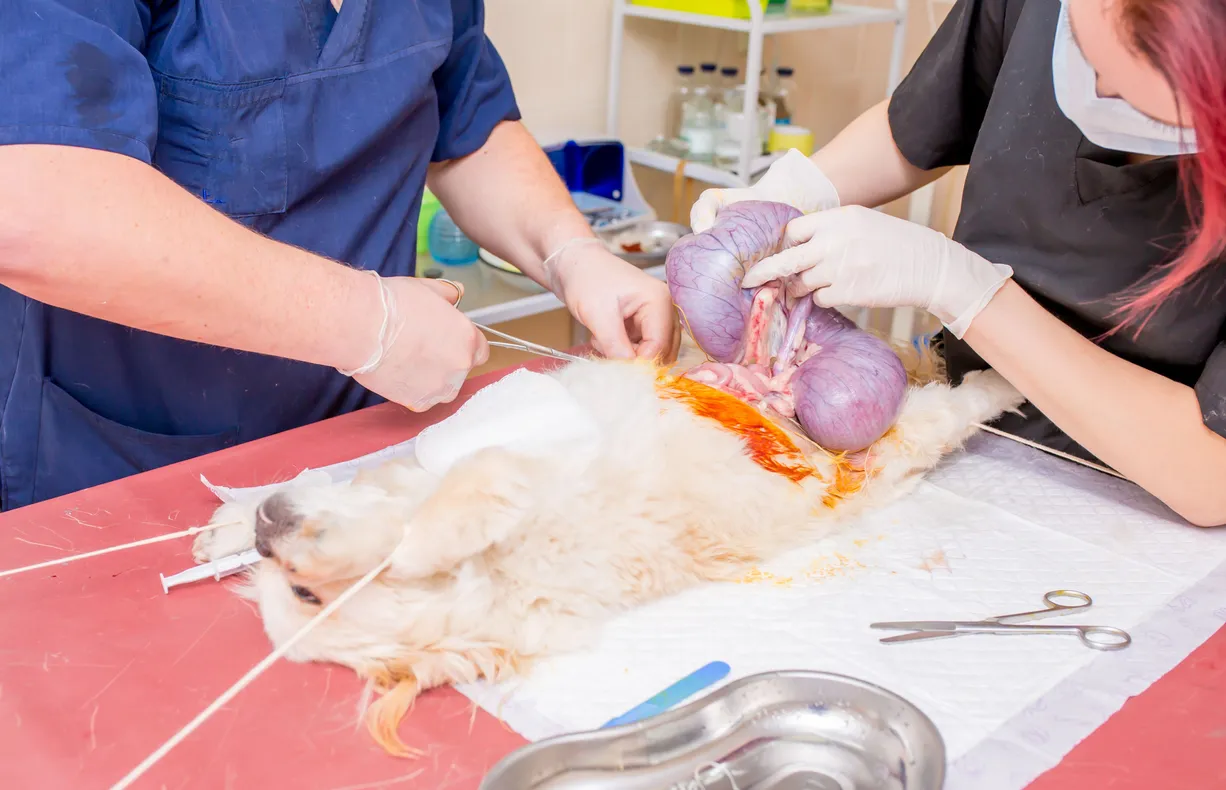
GDV occurs when a dog’s stomach fills with gas, food, or fluid and twists on itself, cutting off blood flow to vital organs. This rotation traps air inside the stomach and prevents the dog from relieving the pressure by vomiting or belching. Without immediate treatment, the condition can lead to shock, organ failure, or death. Large, deep-chested breeds such as Great Danes, German Shepherds, and Boxers are especially prone to bloat, but it can occur in any breed.
Recognizing the Signs of Bloat
Early recognition is key to saving your pet’s life. Common symptoms include a swollen or hard abdomen, restlessness, drooling, and unsuccessful attempts to vomit. As the condition worsens, pets may show signs of distress such as weakness, pale gums, or rapid breathing. If you notice any of these symptoms, don’t wait. Seek an emergency vet or visit an animal hospital near you right away.
How Surgery Can Save Your Pet’s Life
At Rock Creek Veterinary Hospital, our veterinarians are trained to perform emergency surgery to treat GDV and prevent it from recurring. During the procedure, the stomach is untwisted and secured to the abdominal wall to help prevent future episodes. After surgery, our animal hospital provides intensive post-operative monitoring to ensure a safe and comfortable recovery.
Preventing GDV in the Future
While bloat can’t always be prevented, there are steps you can take to reduce your pet’s risk. Feeding smaller, more frequent meals, avoiding vigorous exercise after eating, and using slow-feed bowls can all help. For breeds at high risk, preventive gastropexy can be performed as an elective pet surgery. If you have questions or need urgent help, call Rock Creek Veterinary Hospital in Broomfield, CO, at (720) 669-4200. Our compassionate team is here whenever your pet needs expert care from a trusted vet near you.