Mass Removal Surgery in Pets: What It Means, How It?s Done, and What Comes Next
- posted: Oct. 07, 2025
Discovering a lump or mass on your pet can be unsettling. At Rock Creek Veterinary Hospital in Broomfield, CO, Dr. Patrick Kalenzi and Dr. Paul Veralli understand how concerning this can be for pet owners. In many cases, a mass is benign, but sometimes surgery is the best way to remove it and protect your pet’s long-term health. Knowing what mass removal surgery involves and what to expect afterward can help you feel more confident about your pet’s care.
What Mass Removal Surgery Means
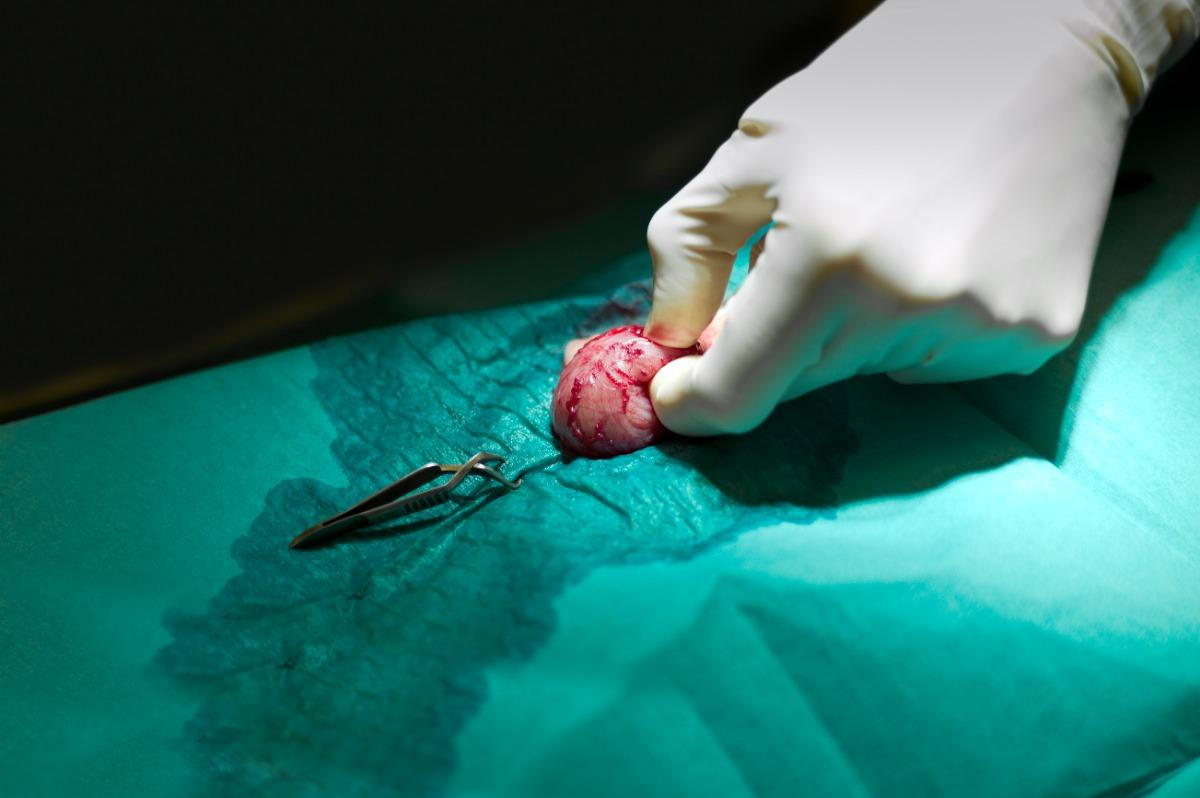
Mass removal surgery is a common type of pet surgery performed to take out abnormal growths. These masses may be fatty lumps, cysts, warts, or tumors. While some are harmless, others may be cancerous or grow large enough to interfere with your pet’s comfort and mobility. Your veterinarian will typically recommend testing, such as a biopsy or fine needle aspiration, before or after removal to determine the nature of the growth.
How the Procedure Is Done
At our veterinary hospital in Broomfield, CO, mass removal surgery is performed with careful planning to ensure your pet’s safety. Pets are placed under anesthesia so they are comfortable and free from pain during the procedure. The veterinarian makes an incision to remove the growth and may also remove some surrounding tissue if there is concern about cancer cells. Once the mass is removed, the incision is closed with sutures. Depending on the case, the tissue may be sent to a laboratory for further testing.
What Recovery Looks Like
After surgery, your pet will need rest and monitoring at home. Most pets recover quickly, but they may need to wear an Elizabethan collar (cone) to prevent licking or scratching at the incision. Dr. Kalenzi or Dr. Veralli will provide pain relief medication, instructions for keeping the surgical site clean, and a schedule for follow-up visits. Keeping activity levels low until the incision heals is key to avoiding complications.
What Comes Next
Follow-up care is just as important as the surgery itself. If the mass was sent for lab testing, the results will help guide the next steps. For benign masses, no further treatment may be needed. If the results show cancerous changes, we will discuss options for treatment, which may include additional surgery, medication, or monitoring. The good news is that catching and removing masses early often leads to the best outcomes.
Support Your Pet’s Health
At Rock Creek Veterinary Hospital, we know that your pet’s health and comfort matter to you. Whether the concern is small or more serious, our experienced team is here to provide compassionate care. Mass removal surgery is just one of the many ways Dr. Kalenzi, Dr. Veralli, and our team support pets and their families in Broomfield, Colorado, and beyond. If you’re concerned about your pet’s health or searching for a veterinary surgeon, call our animal hospital at (720) 669-4200.
- posted: Oct. 07, 2025
Discovering a lump or mass on your pet can be unsettling. At Rock Creek Veterinary Hospital in Broomfield, CO, Dr. Patrick Kalenzi and Dr. Paul Veralli understand how concerning this can be for pet owners. In many cases, a mass is benign, but sometimes surgery is the best way to remove it and protect your pet’s long-term health. Knowing what mass removal surgery involves and what to expect afterward can help you feel more confident about your pet’s care.
What Mass Removal Surgery Means
Mass removal surgery is a common type of pet surgery performed to take out abnormal growths. These masses may be fatty lumps, cysts, warts, or tumors. While some are harmless, others may be cancerous or grow large enough to interfere with your pet’s comfort and mobility. Your veterinarian will typically recommend testing, such as a biopsy or fine needle aspiration, before or after removal to determine the nature of the growth.
How the Procedure Is Done
At our veterinary hospital in Broomfield, CO, mass removal surgery is performed with careful planning to ensure your pet’s safety. Pets are placed under anesthesia so they are comfortable and free from pain during the procedure. The veterinarian makes an incision to remove the growth and may also remove some surrounding tissue if there is concern about cancer cells. Once the mass is removed, the incision is closed with sutures. Depending on the case, the tissue may be sent to a laboratory for further testing.
What Recovery Looks Like
After surgery, your pet will need rest and monitoring at home. Most pets recover quickly, but they may need to wear an Elizabethan collar (cone) to prevent licking or scratching at the incision. Dr. Kalenzi or Dr. Veralli will provide pain relief medication, instructions for keeping the surgical site clean, and a schedule for follow-up visits. Keeping activity levels low until the incision heals is key to avoiding complications.
What Comes Next
Follow-up care is just as important as the surgery itself. If the mass was sent for lab testing, the results will help guide the next steps. For benign masses, no further treatment may be needed. If the results show cancerous changes, we will discuss options for treatment, which may include additional surgery, medication, or monitoring. The good news is that catching and removing masses early often leads to the best outcomes.
Support Your Pet’s Health
At Rock Creek Veterinary Hospital, we know that your pet’s health and comfort matter to you. Whether the concern is small or more serious, our experienced team is here to provide compassionate care. Mass removal surgery is just one of the many ways Dr. Kalenzi, Dr. Veralli, and our team support pets and their families in Broomfield, Colorado, and beyond. If you’re concerned about your pet’s health or searching for a veterinary surgeon, call our animal hospital at (720) 669-4200.
Visit our Office
605 Flatiron Marketplace Dr
Broomfield, CO 80021